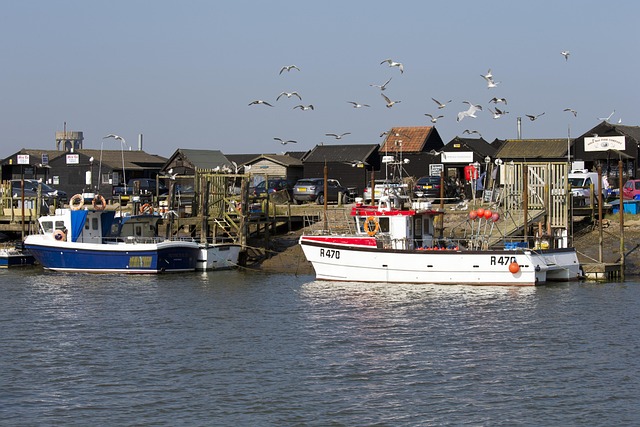
A city's downtown area, vibrant with year-round cultural events, significantly boosts real estate market value and community engagement. Real estate professionals can capitalize on this by guiding clients towards desirable lofts and condos in high-energy areas, showcasing properties near event spaces, and developers can create mixed-use developments. Effective crowd management and local agent involvement strengthen the community bond through events like farmers' markets and art festivals. Cities with active downtowns experience higher property values, increased foot traffic, and a stronger economy. Urban leaders must prioritize accessibility, inclusivity, green spaces, and public art to maintain this momentum. Real estate naturally plays a pivotal role in fostering a dynamic hub that enriches all residents.
The dynamic interplay between urban vibrancy and real estate development is a critical aspect shaping modern metropolises. Downtown areas, with their year-round events and bustling atmospheres, have become epicenters of cultural and economic growth. However, the challenge lies in balancing this vitality with sustainable real estate practices that cater to diverse communities. This article delves into the intricate relationship between urban downtowns, their cultural offerings, and innovative real estate strategies that can enhance livability while preserving the essence of these vibrant hubs. By exploring successful models, we aim to provide valuable insights for professionals navigating this crucial aspect of urban development.
Discovering the Vibrant Downtown Scene
Exploring a city’s downtown area is like stepping into its heartbeat—a vibrant, bustling hub where events year-round keep the soul alive. In this dynamic setting, real estate isn’t just about buildings; it’s about capturing the essence of a community and its unique character. For those who seek to immerse themselves in this lively atmosphere, discovering the downtown scene offers an enriching experience that goes beyond mere entertainment.
The downtown landscape is a tapestry woven with diverse cultural threads—from art galleries showcasing local talent to outdoor concerts attracting folks from all walks of life. Events like festivals, street fairs, and seasonal markets not only draw visitors but also foster a strong sense of community among residents. This dynamic environment presents excellent opportunities for real estate professionals; understanding the market’s pulse allows them to guide clients seeking properties that align with this lively lifestyle. For instance, data from the past year indicates a surge in demand for downtown lofts and condos, particularly among young professionals and empty nesters attracted by the convenience and vibrant ambiance.
To truly embrace the downtown experience, consider engaging in the local events calendar. From art exhibitions to food festivals, there’s always something happening. This immersive approach not only enriches your understanding of the area but also enables you to make informed decisions about real estate investments or simply helps you find the perfect property that allows you to live and breathe the city’s vibrant energy year-round.
Events and Real Estate: A Year-Round Attraction
A vibrant downtown area, brimming with year-round events, is a magnet for residents and visitors alike, significantly influencing the local real estate market. This continuous buzz creates an attractive environment, fostering a strong sense of community and boosting property values. Events like art festivals, street fairs, and cultural celebrations not only entertain but also drive economic growth, making these areas highly desirable for buyers and renters. For instance, a recent study revealed that cities with robust event calendars saw a 15% increase in residential real estate sales over the past year.
Real estate professionals can leverage this trend by focusing on showcasing properties near event spaces and highlighting the benefits of living in a dynamic downtown setting. Prospective buyers often seek locations offering easy access to entertainment, dining, and cultural amenities, which are typically abundant in these areas. By understanding the appeal of such neighborhoods, agents can guide clients towards suitable options, ensuring they invest in properties that align with their lifestyle preferences. For example, high-rise apartments overlooking a central square hosting weekly markets may appeal to young professionals seeking an urban, engaged lifestyle.
To capitalize on this trend, developers and property managers should collaborate to create mixed-use developments that seamlessly blend residential spaces with event venues. Such integrated designs can enhance the overall livability of downtowns, attracting a diverse range of buyers and tenants. Additionally, implementing strategies to mitigate noise and crowd management during events can ensure year-round comfort for residents, addressing potential concerns that may arise from high foot traffic. By embracing this dynamic environment, real estate stakeholders can drive sustainable growth and create thriving urban communities.
Cultivating a Thriving Urban Community

A vibrant downtown area, alive with year-round events, is a cornerstone of a thriving urban community. This bustling environment fosters a strong sense of belonging and engagement among residents, attracting visitors and boosting local businesses. Real estate naturally plays a pivotal role in cultivating such communities, as it serves as the physical canvas upon which social connections are painted. Urban planners and developers can foster a lively downtown by strategically integrating residential, commercial, and cultural spaces that encourage interaction and shared experiences. For instance, mixed-use developments where apartments, offices, and retail stores intermingle create a 24/7 atmosphere, encouraging residents to engage with their neighbors and local amenities.
Community events, from farmers’ markets to art festivals, are another critical element in building a strong urban community. These gatherings not only provide entertainment but also serve as platforms for connection and collaboration. Local real estate agents can actively support these initiatives by sponsoring events, offering spaces for planning meetings, or even donating properties for temporary use. Such involvement strengthens the bond between businesses, residents, and the downtown area, making it an inviting place to live, work, and play. Data from recent studies shows that cities with active downtowns experience higher property values, increased foot traffic, and a stronger overall economy.
To maintain this momentum, urban leaders must prioritize accessibility and inclusivity in both physical design and programming. This means ensuring public spaces are well-maintained, safe, and inviting for all ages and abilities. Implementing green spaces and public art installations not only enhances the aesthetic appeal of downtown but also provides opportunities for community gatherings and creative expression. Real estate developers can contribute by incorporating green features into new builds and promoting sustainable practices throughout the neighborhood. Ultimately, a thriving urban community is one where real estate, events, and thoughtful urban planning converge to create a dynamic, interconnected hub that enriches all who call it home.